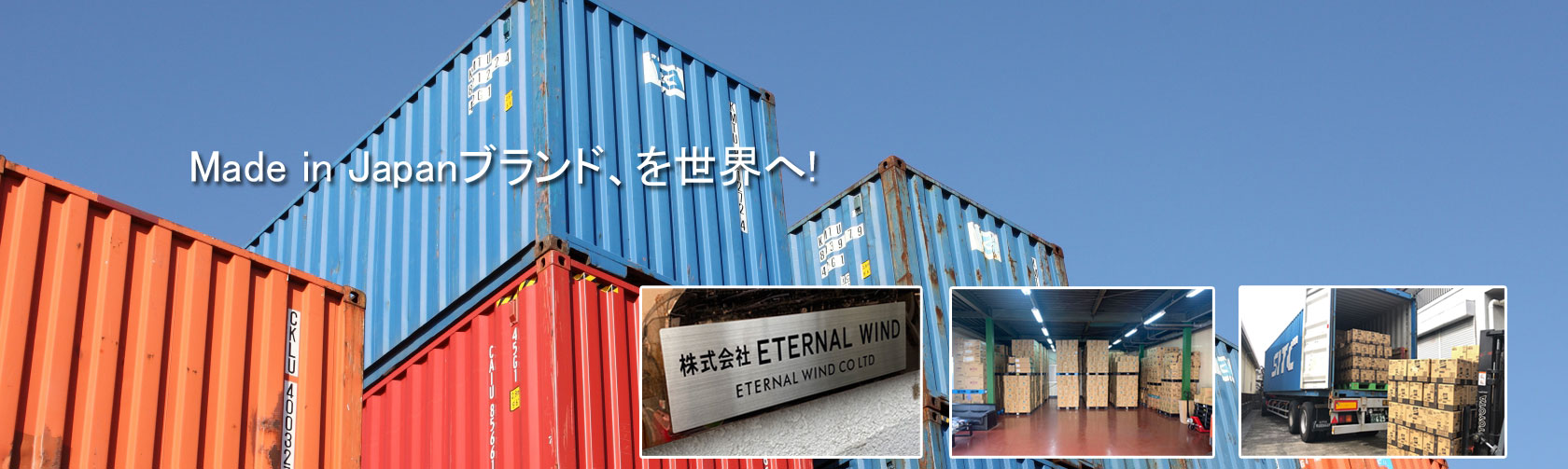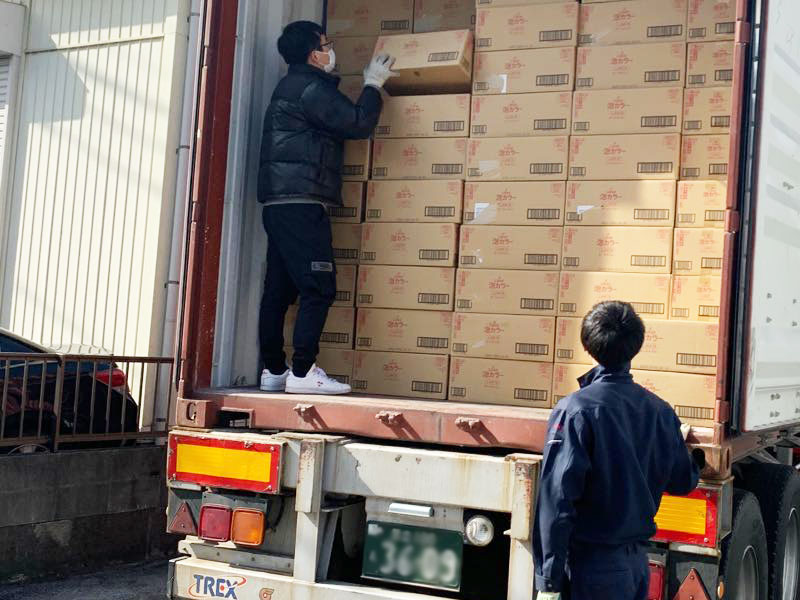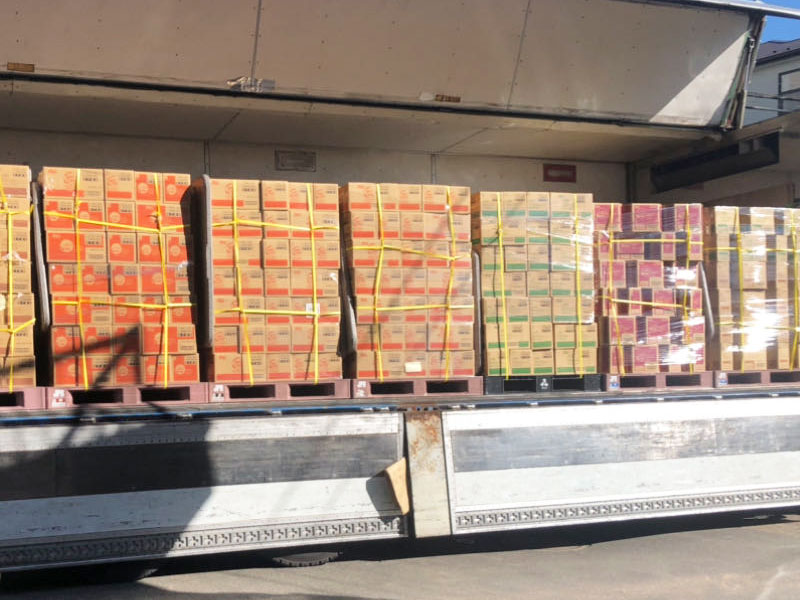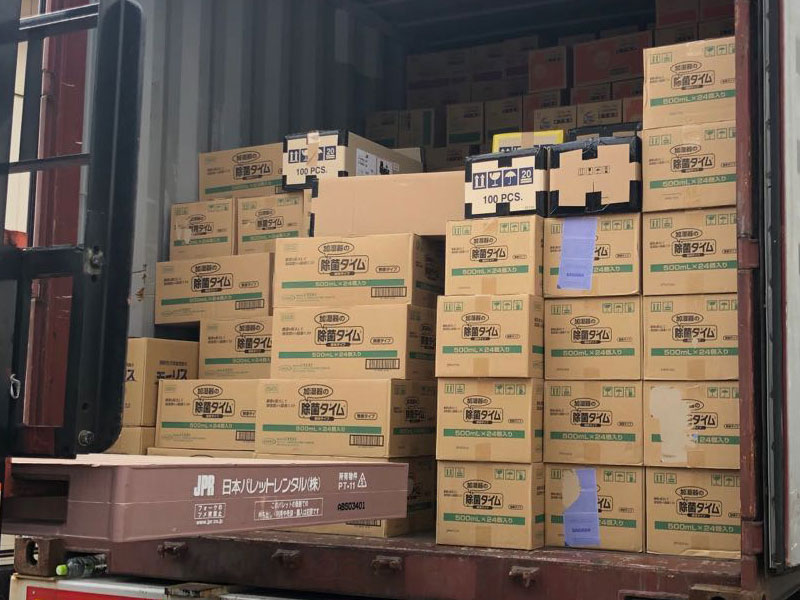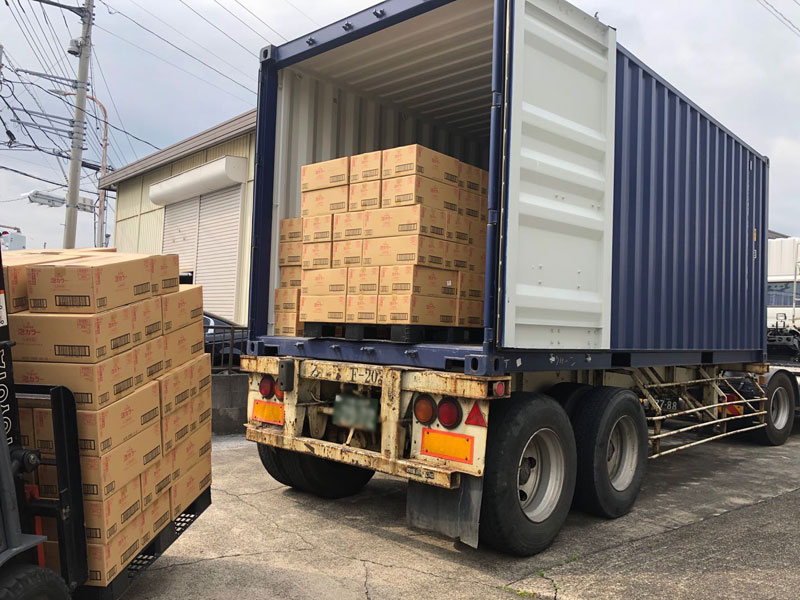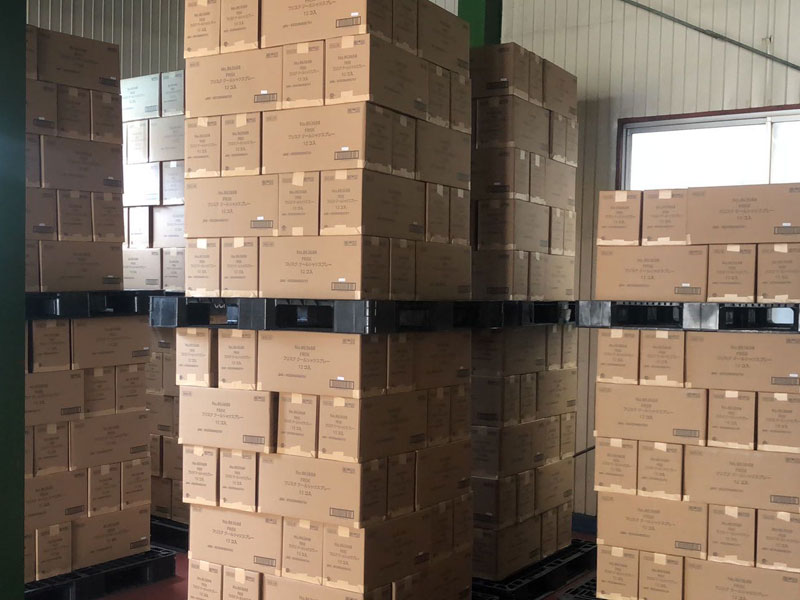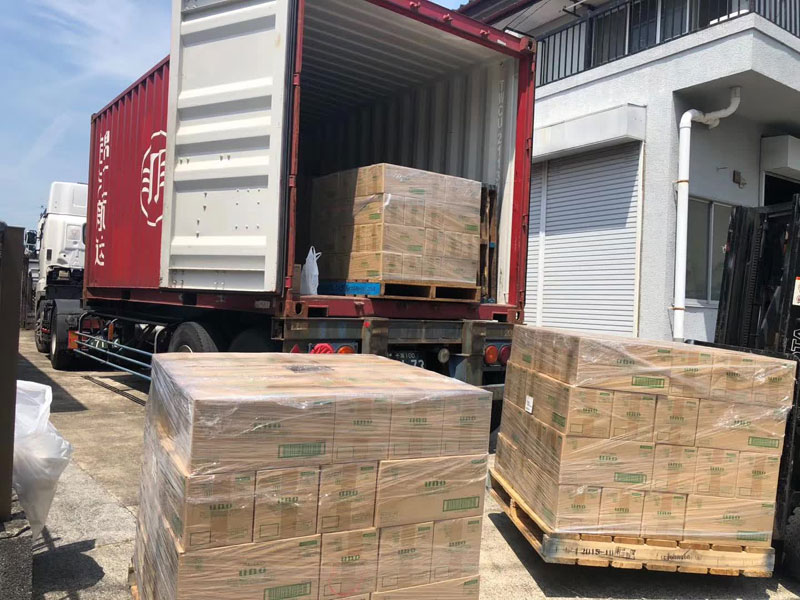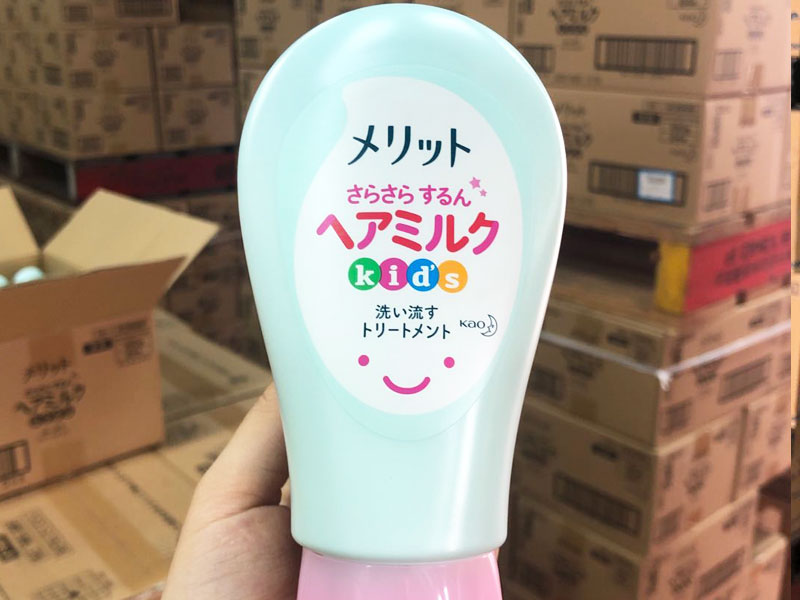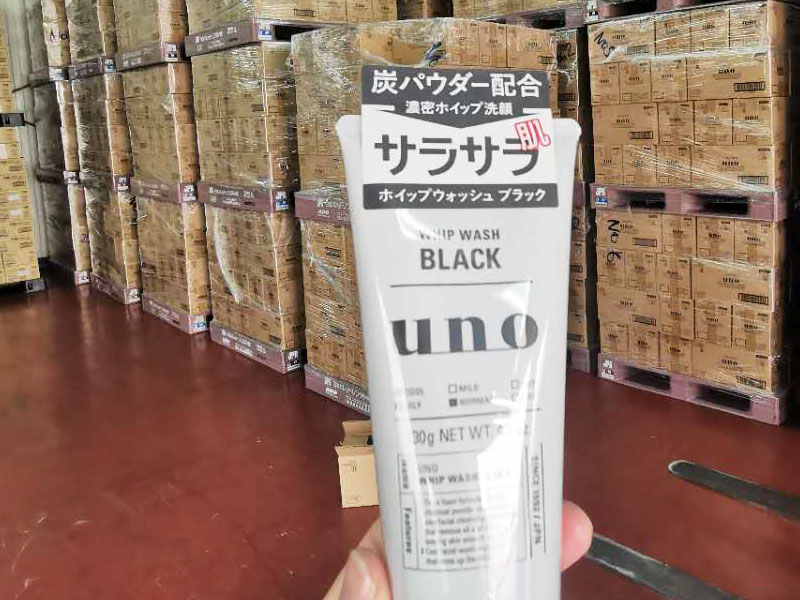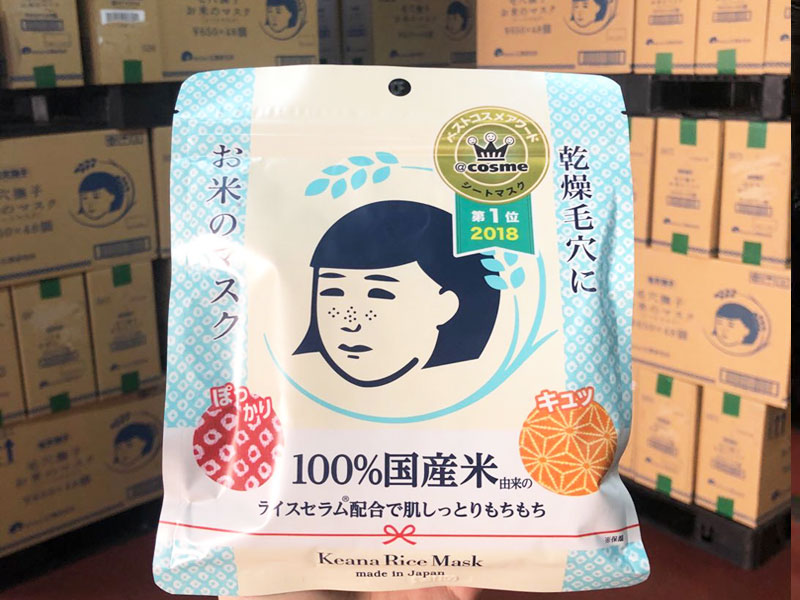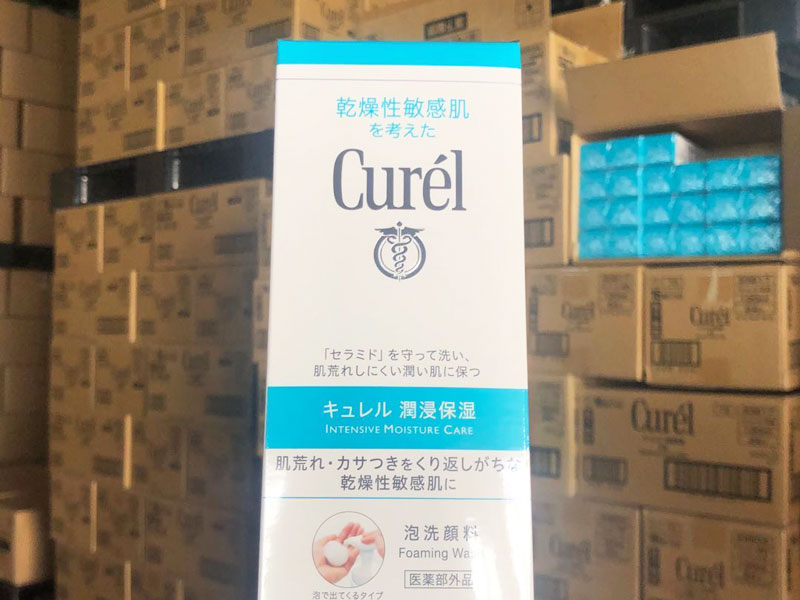
 輸出入貿易事業
 小売・卸業
小売・卸業
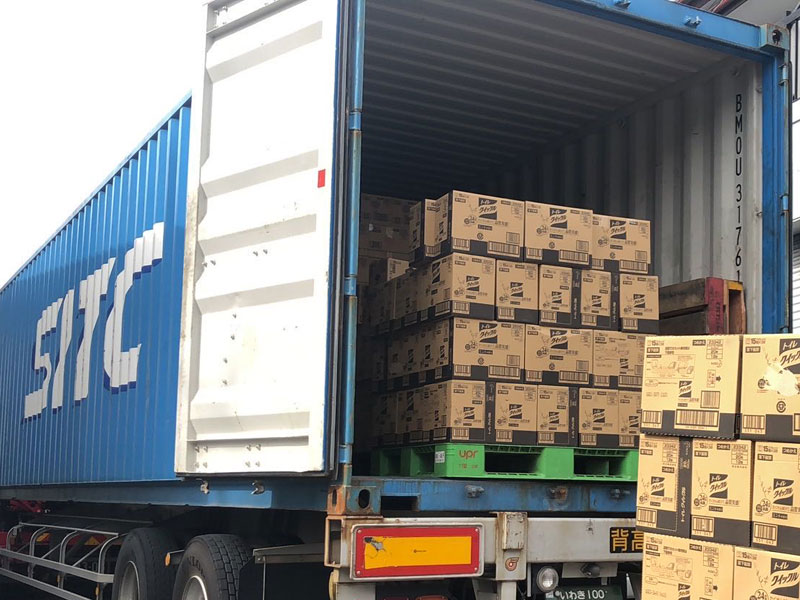
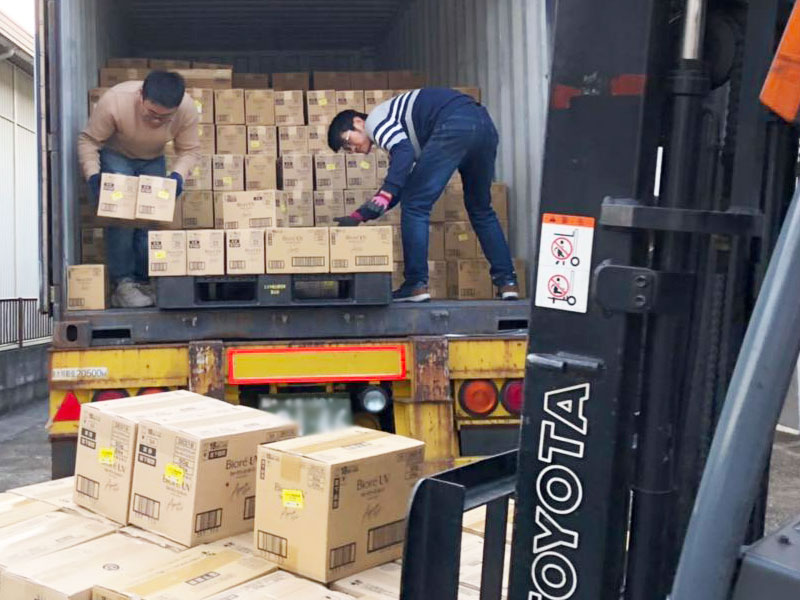
 陸上運送業、通関業

2023年06月20日 お知らせ
医薬品販売業許可証お知らせ2023年06月20日 お知らせ
高度管理医療機器等販売業許可証のお知らせ2022年11月28日 お知らせ
増資しました。2021年02月01日 お知らせ
医薬品販売業許可証お知らせ2020年09月02日 お知らせ
酒類販売業免許通知書お知らせ2020年07月17日 リリース
ホームページをリニューアルしました。2020年05月08日 お知らせ
古物商許可証お知らせ2020年01月15日 お知らせ
増資しました。2019年04月25日 お知らせ
お客様へのお願い。2019年04月24日 リリース
ホームページをリニューアルしました。2015年10月15日 リリース
ホームページを公開しました。| 商号 英語表示 | 株式会社Eternal Wind ETERNAL WIND CO LTD |
| 所在地 | 〒110-0013東京都台東区入谷1-27-5 共栄入谷ビル4F |
| 代表取締役 | 弓長 武祥 (YUMINAGA BUSYOU) |
| 資本金 | 2000万円 |
| 事業内容 | 化粧品 / 美容品 / 健康食品 / 医療機器 / 日用雑貨 / 衣類品や酒類などの卸売業 |
| 取引銀行 | 三菱UFJ銀行 / 三井住友銀行 / 埼玉りそな銀行 / 巣鴨信用金庫 / 武蔵野銀行 / 商工組合中央金庫 / 川口信用金庫 /大光銀行 / |
| 設立年月 | 平成27年09月 |
| 電話番号 | 03-6824-5999 |
| 特許番号 |
古物商許可証 埼玉県公安委員会 / 第431030050534号 医薬品販売業許可書 / 許可番号 第3-1000840号 高度管理医療機器等販売業許可証 / 許可番号 第81-1000840号 酒類販売業免許通知書 / 川口法1-928 |
| 関連団体 | 川口商工会議所 川口法人会 |